
Your nervous system chose slouch. Here's why

You’ve strengthened your lower traps.
Your glutes fire correctly now.
Your thoracic extension has improved.
Your posture is still exactly where it was.
That’s not because the exercises failed. It’s because posture isn’t stored in your muscles. It’s stored in your nervous system — and nobody has told you how to update it
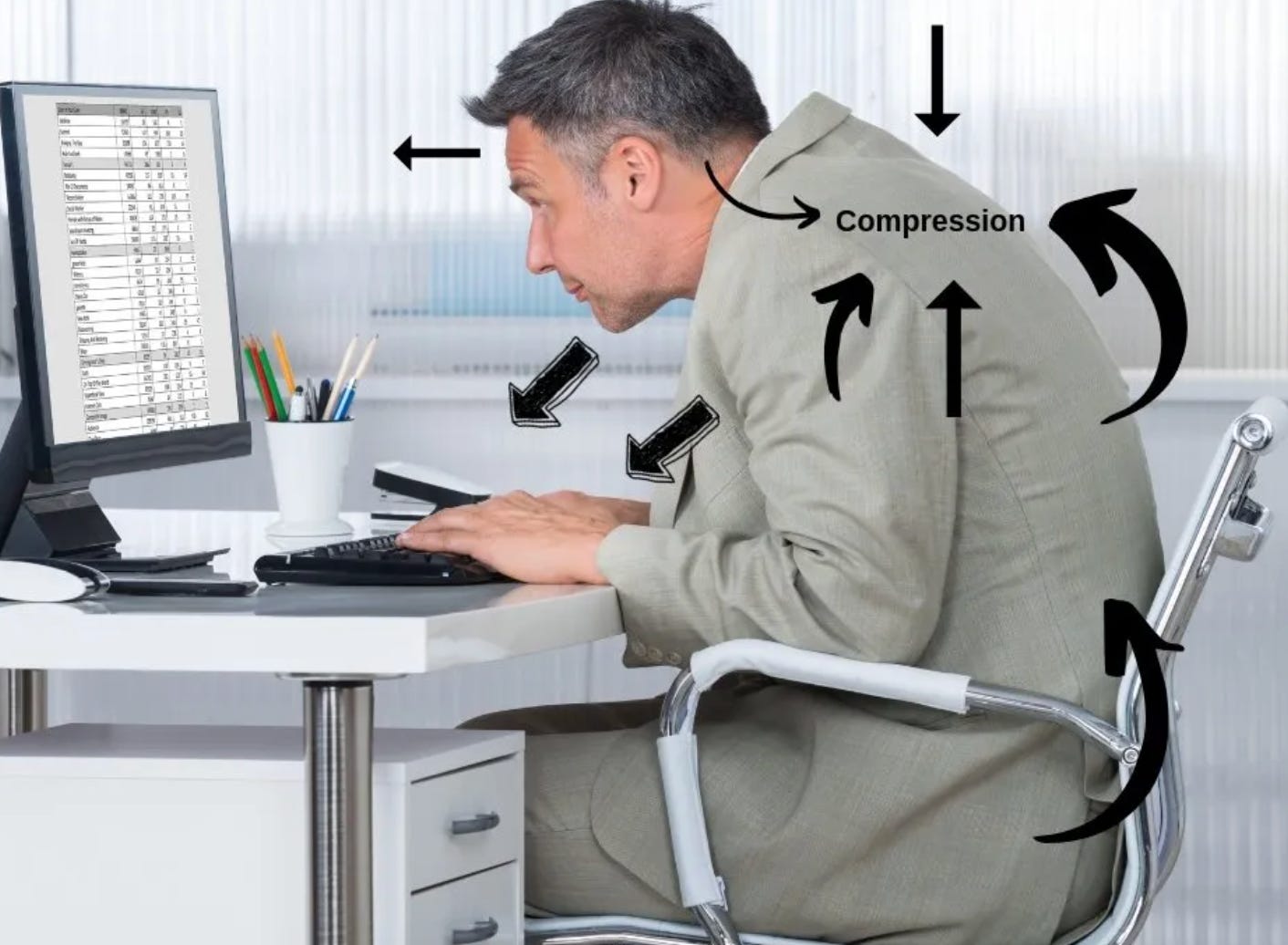
If your posture collapses the moment your attention moves to your work, your nervous system has encoded slouch as the default — the most familiar, most efficient, most safe-feeling pattern available — and it will always route you back there until you give it a reason to choose differently.
This isn’t a strength problem. It isn’t a flexibility problem. It’s a pattern problem.
And patterns are changed differently than muscles.
Here is the fix.
This is postural motor pattern encoding — or in plain English: your nervous system has been practicing slouch for years, has filed it as the most energy-efficient option, and now returns to it automatically whenever your conscious attention is elsewhere.
Research on motor learning confirms that what fires together, wires together. The longer a pattern is practiced — consciously or not — the more dominant it becomes as the automatic default.
Your muscles haven’t failed. They’re responding correctly to the pattern they’ve been given. The issue is that nobody updated the pattern.
Strengthening the posterior chain changes what’s available. It doesn’t change what the nervous system chooses to use.
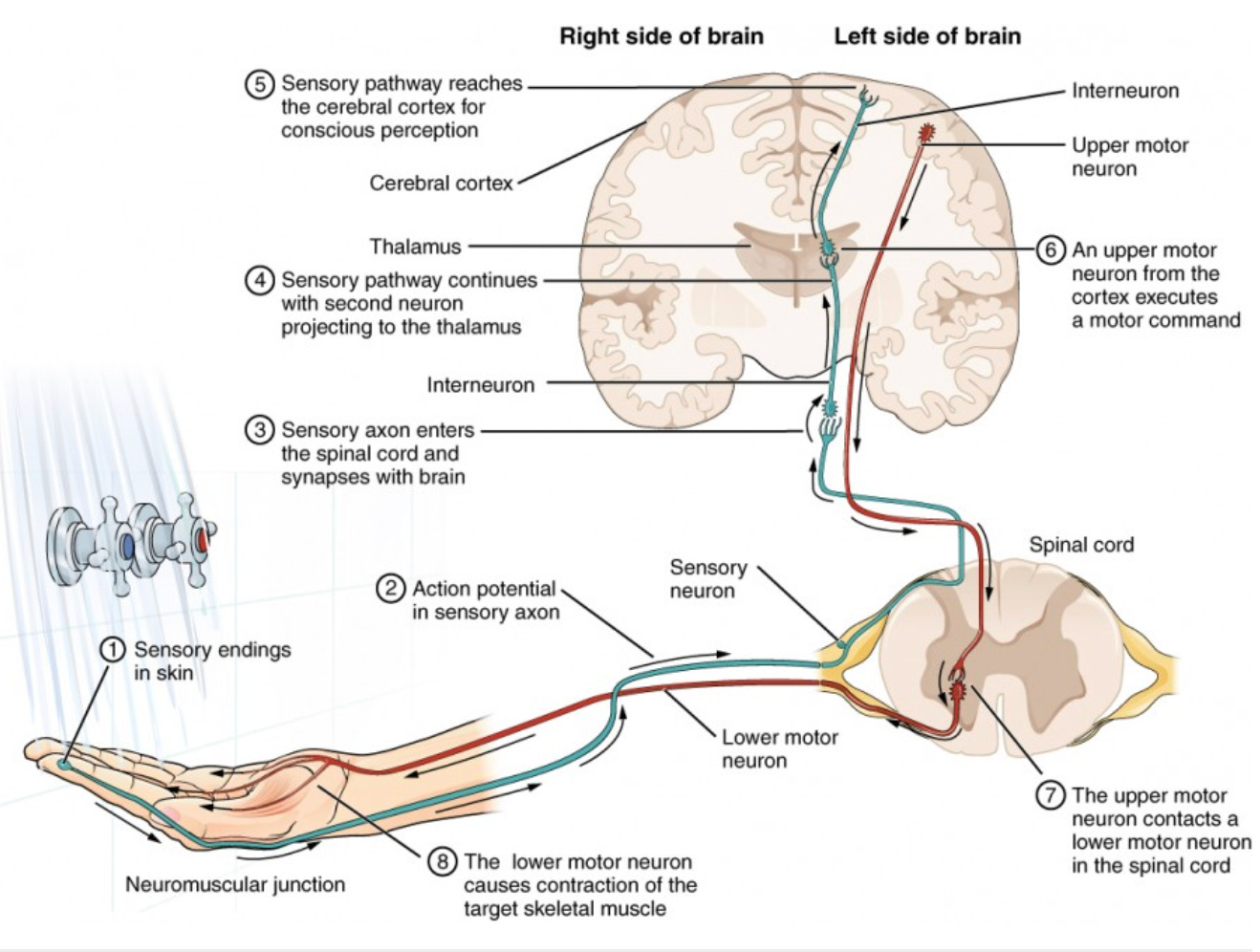
Research consistently confirms that posture is governed by automatic, low-effort patterns reinforced over time — not by available muscular strength alone.
Studies on motor learning show that a new movement pattern requires repeated, varied, contextual practice to displace an existing dominant pattern — not just isolated strength training in a controlled environment.
This is why someone can have strong glutes and still tuck their pelvis every time they sit. The nervous system chose the familiar option — not the stronger one.
[Source: PostureGeek / Nicholas Barbousas — 30 years clinical practice. Supporting neuroscience: Hebb’s rule — “neurons that fire together wire together” — verify via PubMed: search “motor pattern learning postural control nervous system” before publishing]
WHAT EVERYONE TRIES: Strengthening the posterior chain / mobility work / alignment cues / reminders to sit up straight
WHY IT FAILS: All four address the hardware — the muscles and joints — without updating the software — the nervous system’s automatic postural default. Strong glutes don’t override a deeply encoded slouch pattern. Alignment cues work while you think about them. The moment attention shifts — the nervous system routes back to familiar.
WHAT ACTUALLY WORKS: Retrain the nervous system’s default by introducing the new pattern in real-world contexts with variability and awareness — not just in the gym with a coach watching
“Cueing upright posture rarely sticks. Not because the person is unmotivated. Because their body has adapted to a completely different context — and one cue can’t overwrite years of encoding.”
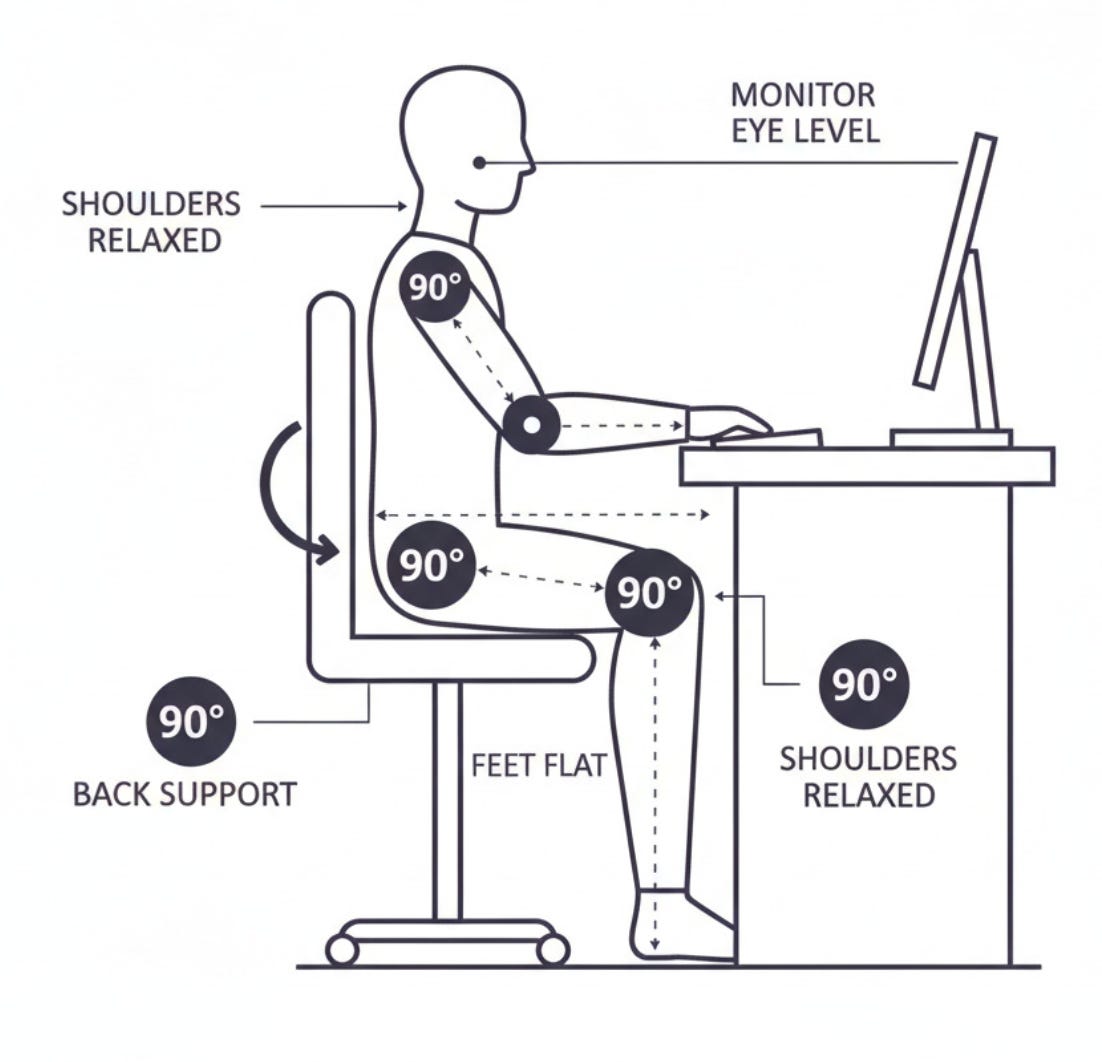
Slouch Isn’t Weakness — It’s Efficiency
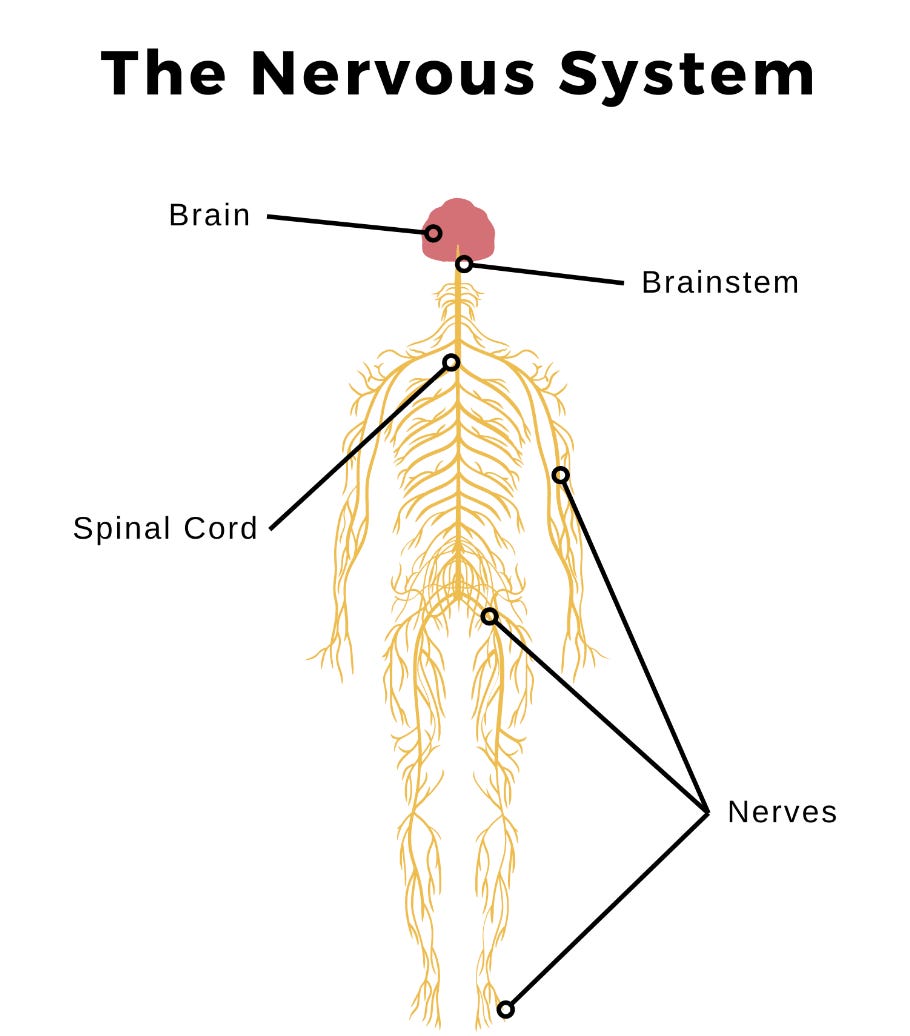
Your nervous system always chooses the most energy-efficient safe-feeling option.
After years of sitting, screens, and stillness — slouch became that option. It’s not a defect. It’s adaptation.
The body didn’t fail you. It adapted to the environment you gave it.
→ The question isn’t “how do I force better posture.” It’s “how do I give my nervous system a reason to choose differently?” That requires a different category of intervention — not more exercises, but more context. More variability. More real-world practice in the positions that actually matter.
Why Emotion and State Drive Posture More Than Muscles
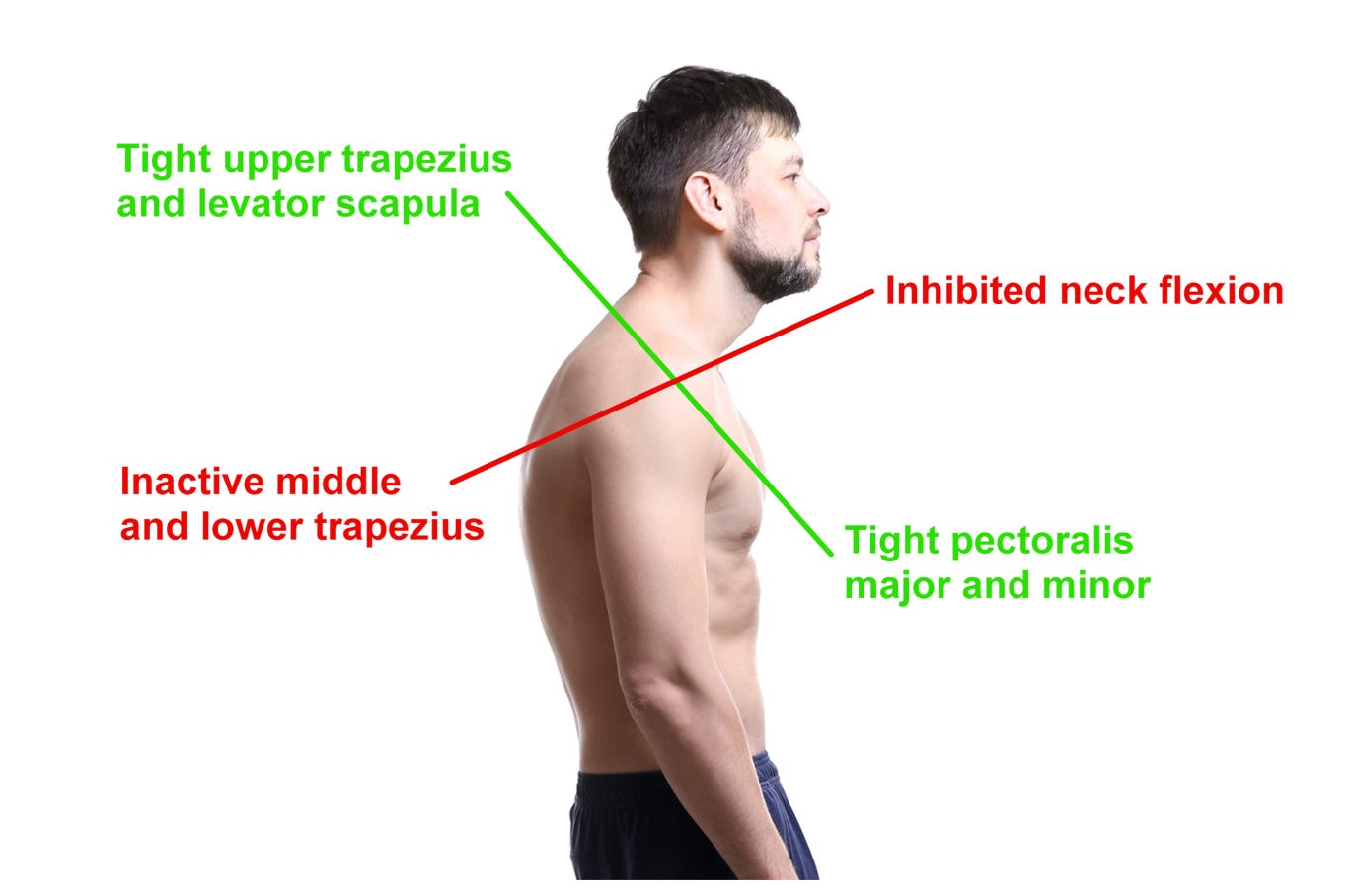
This is the part nobody talks about.
Grief compresses the chest. Chronic stress pulls us into protective flexion. Shame draws the head down.
These aren’t metaphors. They’re measurable postural changes driven by the nervous system’s threat response.
When the body feels unsafe — it gets smaller. It collapses inward. It protects.
→ Trying to force upright posture on a nervous system that feels threatened doesn’t create better posture. It creates a rigid, braced, disconnected version of upright — that collapses the moment the effort stops. Real postural change starts with nervous system regulation — not correction.
If you already know your posture keeps returning to slouch despite everything you’ve tried — and you want Dylan to build your specific retraining plan around your nervous system, not a template:
1-on-1 with Coach Dylan. Founding Application. 18 of 20 spots left.
Dylan reads every application personally. If selected — he’ll reach out on WhatsApp directly.
Not everyone gets in.
→ Apply here (2 minutes): https://tally.so/r/441DXr
Not ready? Keep reading. The protocol below is free.
─────────────────────────────
Here’s the exact nervous system retraining sequence — awareness, expansion, real-world contextual practice — and why doing exercises without this layer means the slouch returns every single time your attention moves to your work.
Most posture protocols give you the right exercises in the wrong system. They change the muscle. They never update the default.
The full Posture Default Reset is inside — exact steps, contextual practice cues, and the week-by-week timeline for when good posture stops requiring effort and becomes automatic.
